Caller Identification Keyword Guide Robocaller Explaining Automated Call Related Searches

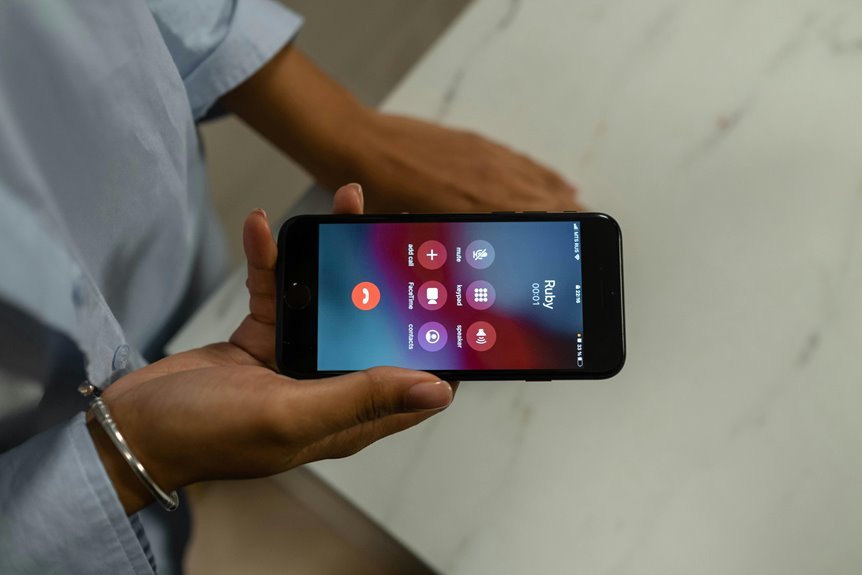
Caller identification in automated calls is about how signals reveal who initiates a call and how trustworthy that signal is. The guide explains spoofing risks, verified headers, and call-path integrity, highlighting inconsistencies across networks. It emphasizes authentication, signaling, and privacy controls as tools to deter deception. The discussion points to patterns that surface scam indicators, prompting scrutiny of unknown numbers and vendor practices, while signaling that the landscape is evolving and requires closer examination. This caution is the prompt to explore further.
What Is Caller Identification and Why It Matters
Caller identification refers to the system and data that reveal who is initiating a telephone call. It enables call screening and shapes caller privacy by distinguishing legitimate communication from deception.
The mechanism assesses metadata, network signals, and identifiers to authenticate intent, reduce intrusion, and empower users to decide engagement.


Informed consumers pursue transparency, control, and freedom from unsolicited interruption while maintaining essential connectivity.
How Robocallers Spoof Numbers and What to Watch For
The mechanisms behind caller identification systems can be exploited by robocallers who manipulate numbers to mislead recipients.
Robocallers employ spoofing indicators to disguise origin and timing, complicating trust.
Observers should assess call authentication signals, such as verified headers and call-path integrity, while noting inconsistencies across networks.
Awareness reduces risk, enabling informed decisions without surrendering personal autonomy or freedom to engage with legitimate communication.
Key Keywords People Use About Robocalls and Automated Alerts
A concise overview of commonly used terms reveals how audiences describe and respond to robocalls and automated alerts.
The analysis identifies terms signaling concern, verification, and deterrence, while highlighting privacy habits and confidence in screening methods.
Recognizing scam indicators, such vocabulary frames risk perception, influences policy considerations, and supports proactive, informed decision-making about automated communications and personal data protection.
How to Use Keyword Searches to Investigate Unknown Calls
To investigate unknown calls, researchers can leverage keyword searches to surface patterns, intent indicators, and potential scams without relying on caller IDs alone. An analytic workflow identifies recurring terms, corroborates with cross-source data, and flags anomalies. This approach acknowledges privacy concerns and data collection implications, balancing transparency with security while preserving user autonomy in evaluating unfamiliar communications and mitigating unsolicited contact risks.
Conclusion
Caller identification hinges on verifiable signaling and trusted headers, but robocallers often spoof numbers to mislead. The investigation approach—focus on authentication, signaling paths, and privacy controls—helps discern legitimacy amid inconsistencies across networks. By using keyword searches related to verification and deterrence, users surface patterns indicating scams and unknown calls. In short, a cautious, evidence-driven filter beats blind trust—as the adage goes, “trust, but verify.” This disciplined mindset protects engagement quality and personal privacy.