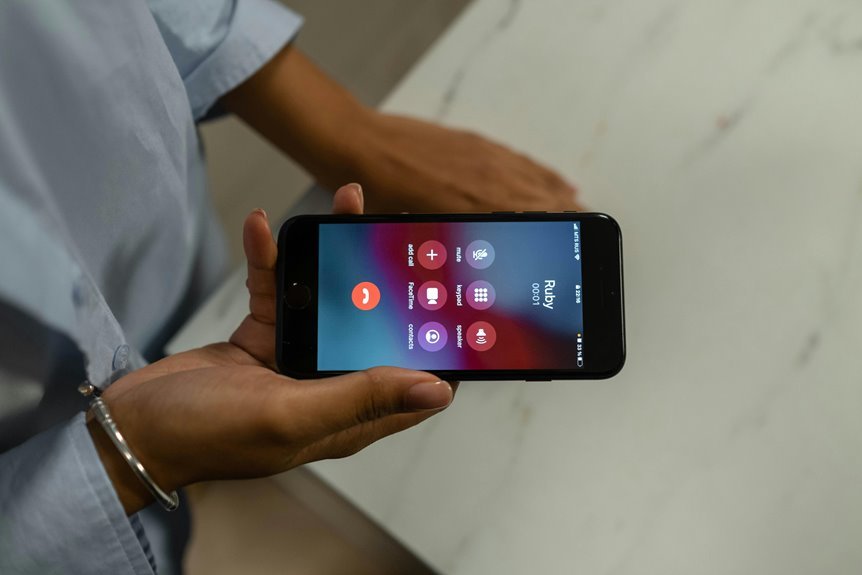
Caller Safety Research Guide Scam Phone Numbers Lookup Revealing Multiple Scam Checks

The Caller Safety Research Guide outlines practical, cross-checked methods to assess unfamiliar calls. It emphasizes quick pre-answer checks, triangulation among trusted registries, and awareness of spoofing tactics. The approach is analytical and cautious, aiming to reduce exposure to scams through multiple verifications. Readers are left considering how these checks might shape everyday decision-making, and whether broader adoption could strengthen personal data protection in ordinary phone interactions.
What Is a Scam Phone Number, and Why It Matters
A scam phone number is a contact identifier used by fraudulent or deceptive callers to mislead individuals, extract money, steal information, or gain unauthorized access to personal accounts. The concept frames risk assessment, attribution, and preventive behavior. This analysis clarifies scam number definitions and why it matters for personal autonomy, enabling informed choices, critical scrutiny, and collective resilience against deceptive outreach.
Quick Checks You Can Do Before Answering
Before engaging a call, it is prudent to apply quick, practical checks that can reduce exposure to scams identified in the prior discussion. The approach remains thorough, analytical, and cautious, prioritizing autonomy and informed choice. Consider privacy risks, note caller consent, and screen unfamiliar numbers. Assess context, request verifiable details, and pause before sharing sensitive information, preserving personal freedom and security.


How to Verify Numbers Across Trusted Sources
Cross-checking a caller’s number against multiple trusted sources provides a structured way to assess legitimacy without relying on a single listing.
Verification methods emphasize triangulation, contrasting official registries, carrier databases, and reputable security portals.
Cross source checks reduce ambiguity, revealing inconsistencies and patterns.
This cautious approach supports informed judgments while preserving autonomy, encouraging deliberate scrutiny over casual assumptions in safety-focused decision making.
Red Flags, Spoofing Tactics, and Avoiding Common Scams
Red flags in caller interactions often arise from patterns consistent with spoofing, social engineering, and time pressure, and recognizing these cues is essential for prudent assessment.
The analysis highlights red flags signaling manipulation, including mismatched caller IDs and urgent requests.
Spoofing techniques are contextualized, while practical steps emphasize avoiding scams through quick checks, corroboration, and independent verification of claims and contact details.
Conclusion
A cautious, analytical lens reveals that scam phone number checks are most effective when combined across multiple trusted sources, creating a triangulated view of risk rather than relying on a single signal. An interesting statistic highlights that caller ID spoofing has surged in the past year, increasing exposure to fraudulent calls by an estimated 25–30% in some regions. This reinforces the need for pre-answer verification, red-flag awareness, and disciplined data sharing to minimize personal exposure and preserve digital security.