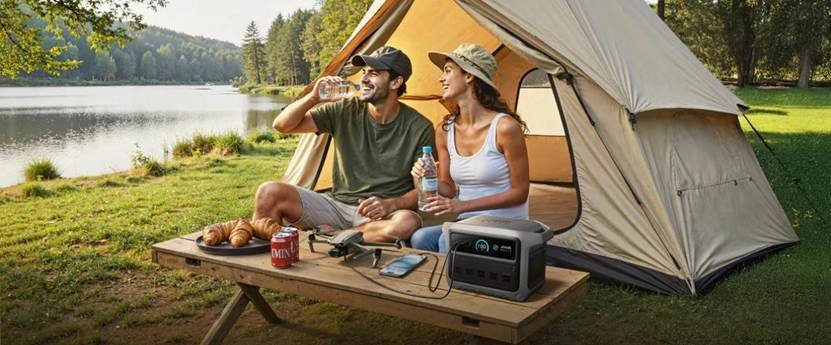
Camping newcomers sometimes confront a basic question: how do you keep your phone, lights, or cooler charged in the wilderness? Solar-powered generators provide a clean, quiet, and portable option. Unlike gas generators, they emit no odors or noise and need minimal setup. These gadgets harvest energy from the sun and store it in a battery for later use. For those new to camping, understanding how solar generators operate and what they can power is essential. This article delves into the fundamentals and assists you in selecting the appropriate equipment for a stress-free camping trip.
What Is a Solar Powered Generator for Camping?
A solar-powered generator for camping is a portable energy device that converts sunlight into electricity and stores it in a battery. It often contains an inverter that lets you connect normal AC or DC equipment such as phones, fans, and lights. These devices are lightweight, small, and portable, making them ideal for use outside. Most models are plug-and-play, which means you don’t require technical knowledge to use them. They’re great for tent campers, RV owners, and weekend explorers who want dependable electricity without relying on gas. They’re ideal for campsites where quiet and clean energy are required, as they produce no pollutants or noise.
How Do You Choose the Right Solar Generator for Camping?
Power Capacity, Output Ports, and Device Compatibility

Start by determining the generator’s watt-hour (Wh) rating, which indicates how much energy it can store. A 300-500Wh unit is ideal for charging phones, running lights, and powering tiny fans. Look for a combination of AC outlets, USB ports, and DC vehicle ports to accommodate various gadgets. Make sure the generator can meet your equipment’s power requirements and will not overload. Some electronic devices, such as coffee makers or electric grills, may demand more power than modest generators can provide. Check the surge rating as well, especially for devices that experience starting surges. Always match generator specifications to the actual power requirements of your camping equipment.
See also: The Future of Software Licensing and Its Impact on Technology
Size, Weight, and Portability for Campsites
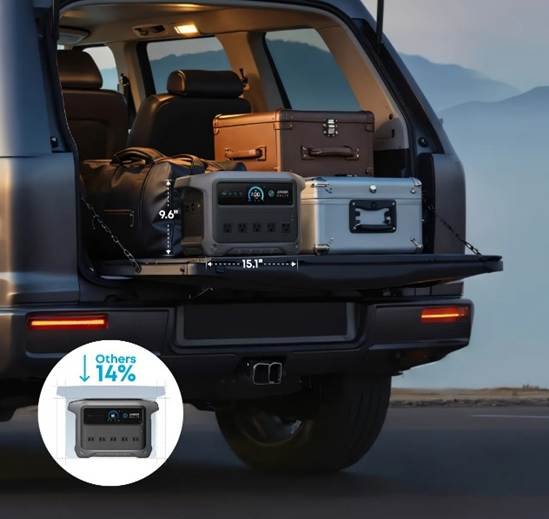
Camping sometimes includes trekking or lugging goods to isolated locations, so weight and size are important. Lightweight solar generators weighing under 15 pounds are perfect for backpackers and single campers. For vehicle camping or RV vacations, you may select larger units with additional capacity. Consider the handle style, form, and storage options—compact ones will fit better in tight trunks or gear bags. Check to see whether the generator comes with a carrying box or wheels for easy portability. Portability has an influence on both comfort and safety, particularly if you need to move the unit rapidly during rain or shadow fluctuations. Choose a generator that is both powerful and practical.
Solar Panels, Charging Speed, and Weather Factors
Solar panels are a crucial addition to any camping generator. A 100W foldable solar panel is suitable for small-to-medium generators. The pace of charging is determined by the wattage of the panel, the intensity of sunshine, and the weather. Direct sunlight produces maximum production; however, clouds or forest cover can significantly lower input. Look for panels with high efficiency ratings (20% or more) and adjustable angles to improve sun tracking. Some generators limit input speed, thus ensuring compatibility to avoid sluggish charging. Consider charging time—some systems require 6-10 hours for a complete refill. Weather is also an important consideration; water-resistant or durable panels and connections can assist in minimizing damage from sudden rain or wind.
Power Limits Beginners Should Know Before Plugging In
Every solar generator has limitations, which novices must respect to avoid harm or disappointment. Before attaching any equipment, always verify the continuous and peak wattage ratings. Electric kettles, hair dryers, and induction cooktops are common examples of high-drain equipment that can surpass the capacity of camping units. Running many objects simultaneously may potentially trigger overload protection. Avoid depleting the battery to nothing, since this may limit its lifespan. When feasible, use energy-efficient equipment and stagger your usage to conserve electricity. Monitoring tools or app-based trackers can aid in visualizing consumption. Knowing your generator’s limits helps to ensure a safe, dependable outdoor experience.
What Can a Solar Generator Power While Camping?
Charging Phones, Cameras, and GPS Devices
Phones, cameras, and GPS gadgets need little power and are easy to power with a modest solar generator. Charging a smartphone consumes around 10-15Wh, thus a 300Wh generator could charge it 15-20 times. Cameras require 15–25Wh per battery, but portable GPS systems use around 5 watts during active usage. Many USB outlets allow you to charge many devices at once, which is convenient for group travel. When feasible, charge your gadget during daytime hours, and utilize airplane mode or low-power settings to extend its battery life. These little gadgets provide excellent initial loads for novices testing their solar generator in real-world camping situations.
Running Camping Lights, Fans, and Small Coolers
LED camping lights typically consume 5–10 watts, allowing dozens of hours of illumination on a single charge. Small 12V fans use around 10–30 watts and can run comfortably through the night with a mid-size solar generator. Portable thermoelectric coolers take more power—typically 40-60 watts—but operate sporadically, turning on and off like a refrigerator. To extend the runtime, pre-cool the cooler at home and keep it shaded. If your generator does not have enough capacity, avoid using high-drain equipment. Understanding these load types allows you to plan how much electricity to pack and prevent surprises at the campground, particularly on multi-day travels without consistent sunshine.
Conclusion
A solar-powered generator is ideal for first-time campers since it provides quiet, clean, and portable electricity without the need for fuel or fumes. It can charge your phones, turn on lights, and run coolers all while fitting in your backpack or trunk. Choosing the proper unit entails considering capacity, ports, size, and solar compatibility. Understanding what it can and cannot power allows you to prepare better and avoid power outages. Solar generators may make off-grid activities safer and more pleasurable with the right information and planning. Start small, understand your setup, then expand from there—solar power improves camping connectivity and convenience one watt at a time.