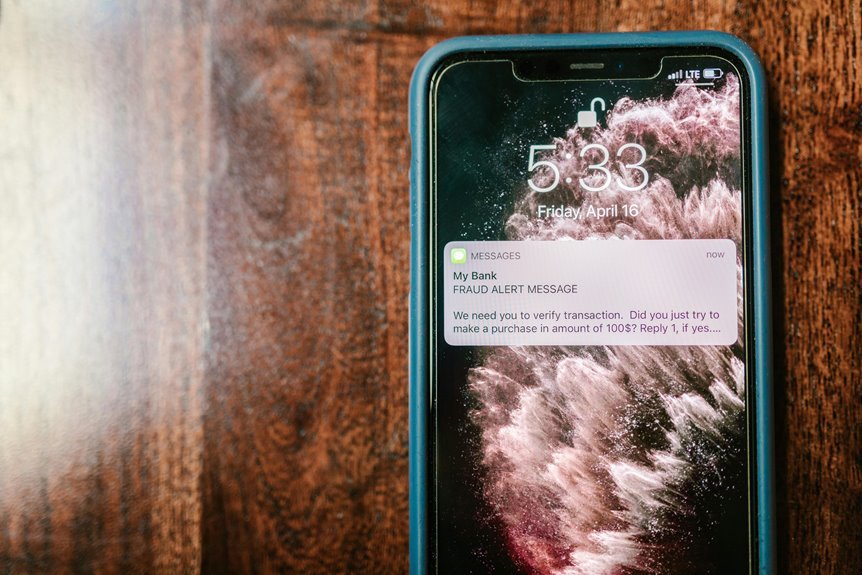
Fraud Detection Insight Hub’s scammer number check aggregates multiple sources to assess caller legitimacy. It links phone numbers to known fraud activity, verifies claimed identities, and flags suspicious behavior patterns. The approach is evidence-based, emphasizing transparency and careful documentation. However, uncertainties may remain, and the framework supports cautious engagement and independent verification before any action. The balance between speed and verification invites further scrutiny and discussion.
What Is Scammer Phone Validation and Why It Matters
Scammer phone validation is the process of confirming whether a phone number is associated with fraudulent activity or misuse.
Scammer validation enables risk assessment and informed choices, reducing exposure to manipulation.


By establishing caller legitimacy, organizations and individuals gain clearer criteria for interaction, deterring opportunistic contact.
Clear verification supports freedom from coercive outreach and encourages responsible communication practices.
How Fraud Detection Insight Hub Checks Caller Legitimacy
Fraud Detection Insight Hub employs a structured approach to verify caller legitimacy by integrating multiple data sources and verification steps. It conducts authentication checks to confirm claimed identities and uses caller profiling to assess behavioral patterns, historical interactions, and risk indicators. This evidence-based method emphasizes transparency, minimizing bias while ensuring consistent evaluation of origins, intent, and reliability. Freedom-oriented scrutiny informs scalable safeguards.
Practical Tips to Validate Scam Numbers Yourself
Practical tips to validate scam numbers oneself require a structured, evidence-based approach. Researchers emphasize cross-checking caller IDs with independent directories, verifying numbers through reputable databases, and noting inconsistencies in recording times or locations. A cautious frame supports disciplined evaluation. When assessing a suspect, document steps, avoid assumptions, and consider phone validation results alongside corroborating patterns, such as the presence of a scammer number in reports.
Common Red Flags and How to Respond Safely
Common red flags in scam calls include urgent requests for personal information, requests to transfer funds, or pressure to act immediately. The article notes scammer_number indicators and emphasizes caller_validation steps: verify identity via independent channels, suspend transactions, and report suspicious conduct. Respond safely by asking for contact details, avoiding sharing data, and documenting evidence; disengage when legitimacy remains unclear, then consult trusted authorities to minimize risk.
Conclusion
Fraud Detection Insight Hub’s scammer phone validation provides a structured, evidence-based framework to assess caller legitimacy by cross-referencing data sources, profiling behavior, and documenting findings. It supports risk-aware decisions and orderly escalation when uncertainty persists. While no system is flawless, integrating validation steps into decision workflows dramatically reduces exposure to manipulation and misrepresentation. In practice, disciplined verification—supported by transparent records—proves more reliable than instinct alone, delivering results that are practically legendary in their clarity.