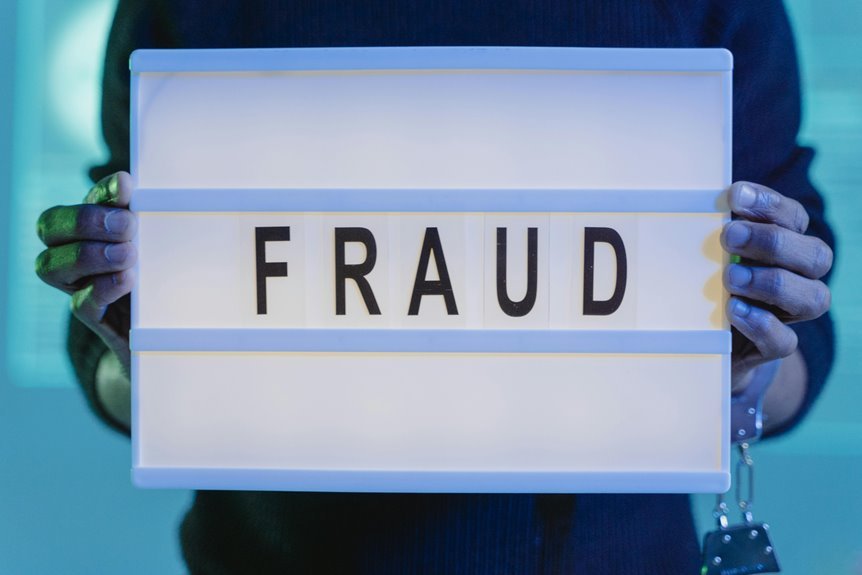
Fraud Investigation Portal Scam Number Lookup describes services that claim to identify scam calls but often lack verifiable data sources. These tools rely on urgency and vague results to gain trust, sometimes spreading misinformation or directing users to questionable sites. Red flags include opaque licensing, inconsistent reviews, and unknown data provenance. Independent verification and transparent incident reporting are essential before adoption. The topic invites scrutiny about methodology and accountability, prompting further examination of how such tools are evaluated and regulated.
What Is Fraud Investigation Portal Scam Number Lookup
Fraud Investigation Portal Scam Number Lookup refers to a deceptive service or tool that purports to identify scam phone numbers used in fraud schemes. In fraud investigation terms, such offerings claim accuracy without transparent methodology. Readers seek freedom through reliable assessment, not gimmicks. Red flags include vague sources, unverifiable results, and forced urgency; legitimate tools emphasize verifiable data, cautious interpretation, and ongoing validation. scam numberlookup integrity relies on scrutiny.
How Scammers Use Lookups to Reel You In
Phone-number lookup tools marketed for fraud investigation often become a conduit for manipulation when used by scammers. In this analysis, the mechanism is linear: scammers exploit lookup tools to acquire credibility, then inject misinformation or link to counterfeit services. Attention to scam indicators helps users resist prompts to share data. Distinguishing legitimate data sources from manipulated results is essential for trusted lookup tools.


Spotting Red Flags and Verifying Legitimate Tools
Spotting red flags and verifying legitimate tools requires a disciplined, evidence-driven approach that treats every claim about a phone-number lookup service as provisional until corroborated.
Analysts frame claims, assess source legitimacy, and compare independent verifications.
Caution centers on fraud tactics and verification pitfalls, including opaque licensing, dubious reviews, and inconsistent results, ensuring tools withstand scrutiny before deployment or recommendation.
Practical Steps to Stay Safe and Report Abuse
To apply the insights from red-flag recognition to practical safety, the text outlines concrete steps individuals and organizations can take to minimize risk and report abuse effectively. In this framework, fraud awareness informs monitoring protocols, incident logging, and verification processes. Systematic reporting channels and evidence preservation enable swift responses, while ongoing education reinforces scam prevention and resilient, freedom-respecting defenses against abusive outreach.
Conclusion
Fraud investigation portals offering scam number lookups operate in a predefined pattern: promising quick results while withholding methodological transparency. They exploit urgency, deliver vague outputs, and often redirect users to questionable services. Critical evaluation—source provenance, licensing clarity, independent reviews, and incident reports—exposes weak foundations. By verifying data origins and reporting abuse, users build resilience against misinformation. In this landscape, trust should be earned, not claimed; skepticism acts as a compass, steering investigators away from false positives toward verifiable, safer alternatives.